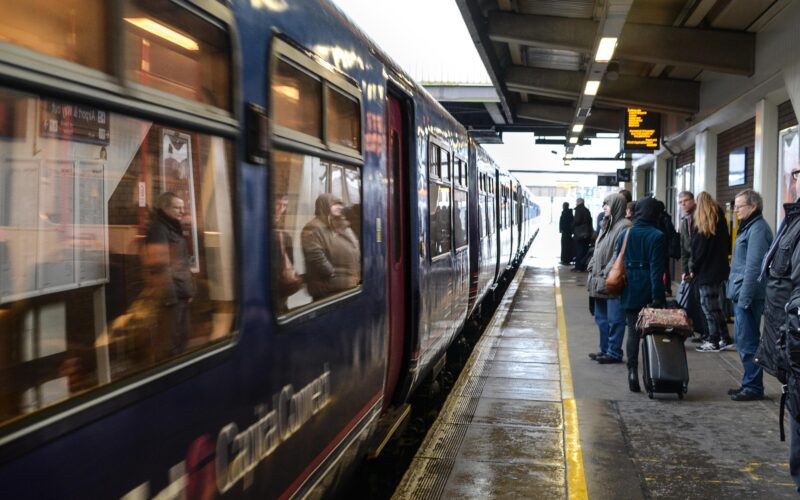
A career that involves constant travel can seem glamorous, filled with new cities, cultures, and experiences. For many professionals, from international consultants and sales executives to airline crew and touring artists, frequent travel is a fundamental requirement of their job.
This lifestyle is often driven by the global nature of modern business, where face-to-face meetings build crucial relationships, on-site expertise is required for complex projects, and opportunities are spread across continents. Whether it's a domestic shuttle between regional offices or a long-haul flight to a foreign market, the need to be physically present powers many industries.
While this can be an incredibly rewarding path, offering unparalleled opportunities for growth and discovery, the reality of living out of a suitcase presents a unique set of challenges that can take a significant toll on one's health and well-being if not managed proactively. The constant disruption to routine, time zones, and personal life requires a deliberate and strategic approach to stay healthy, happy, and productive on the road.
Supermarkets can be your best friend
The first casualty of a busy travel schedule is often nutrition. The convenience of airport fast food, client dinners laden with rich foods, and the grab and go nature of life on the move can quickly derail even the most disciplined eating habits. It's easy to fall into a pattern of consuming processed, high-calorie meals simply because they are readily available.
This can lead to weight gain, lethargy, and other long-term health issues. To combat this, strategic planning is essential. Before you even leave for the airport, research healthy dining options near your hotel or office. Supermarkets can be your best friend; stocking your hotel mini-fridge with healthy snacks like fruit, yoghurt, nuts, and protein bars provides a crucial buffer against poor choices. When dining out, don't be afraid to make specific requests, such as asking for sauces on the side or swapping fries for a salad.
Packing your own non-perishable snacks and a reusable water bottle can also make a world of difference, ensuring you stay hydrated and nourished during long transit days without relying on sugary drinks and expensive, unhealthy airport fare.
Create a consistent pre-sleep ritual
Another significant challenge is maintaining a consistent sleep schedule. Jet lag, early morning flights, and late-night work sessions conspire to disrupt the body's natural circadian rhythm. Chronic sleep deprivation affects everything from cognitive function and mood to immune response, making you more susceptible to illness and burnout.
Creating a consistent pre-sleep ritual, regardless of your location, can signal to your body that it's time to wind down. This might include avoiding screens for an hour before bed, reading a book, listening to calming music, or practising light stretching. It's also crucial to manage your environment. Pack an eye mask and earplugs to block out light and noise in unfamiliar hotel rooms.
Upon arrival in a new time zone, try to adapt to the local schedule as quickly as possible. If you arrive during the day, resist the urge to nap and instead get some sunlight to help reset your internal clock. While it can be tempting to rely on caffeine to power through the day, limiting its intake, especially in the afternoon and evening, is vital for protecting your ability to get restorative sleep.
Most hotels have a fitness centre
Finding the time and energy to exercise while travelling is a formidable hurdle, yet it is arguably one of the most important factors for both physical and mental resilience. Physical activity is a powerful antidote to the sedentary nature of flights and meetings, helping to alleviate stiffness, boost energy levels, and manage stress. The key is to be flexible and creative. Most hotels have a fitness centre, but the quality can be inconsistent.
A better approach is to have a workout plan that requires minimal or no equipment. Bodyweight exercises like push-ups, squats, lunges, and planks can be done anywhere. Resistance bands and skipping ropes are lightweight, packable tools that can facilitate a full-body workout in the comfort of your hotel room. Exploring your new surroundings on foot or by going for a run is another excellent way to combine fitness with sightseeing. Planning your workouts in your calendar just as you would a business meeting increases the likelihood that you will stick to them.
Even short bursts of activity, like a 15-minute high-intensity interval training (HIIT) session, can be incredibly effective.
Bodyweight routines or workouts
For those who struggle with motivation or lack the expertise to design an effective, travel-friendly fitness regimen, engaging a personal trainer can be a transformative investment.
A common misconception is that Manchester personal training is only for in-person sessions at a local gym. However, the industry has evolved significantly, with many Manchester personal trainers now specialising in creating customised online and hybrid programmes for clients who are constantly on the move. A skilled trainer can design efficient bodyweight routines or workouts using portable equipment that you can perform in any hotel room.
They provide the structure, accountability, and expertise needed to ensure you are exercising safely and effectively, maximising your limited time. This professional guidance removes the guesswork, helping you stay on track with your fitness goals no matter where you are in the world.
Adapt your routine
The support of a personal trainer Manchester extends beyond just creating workout plans. They act as a vital accountability partner. Checking in remotely, tracking your progress through an app, and knowing you have a scheduled virtual session can provide the necessary push to exercise after a long day of travel. This is where personal training becomes a cornerstone of your wellness strategy.
A trainer can help you adapt your routine based on the facilities available, your energy levels, and your schedule for the week. If you have a physically demanding week of conferences, they can programme lighter, restorative sessions focused on mobility and stretching. If you have a few days with a lighter schedule, they can push you with more intense workouts.
This tailored approach ensures that your fitness routine supports your career, rather than competes with it, helping you build the strength and stamina needed to perform at your peak.
Incorporating professional support
Coping and thriving with a career that demands constant travel is about shifting your mindset from one of survival to one of proactive self-management. It requires acknowledging the unique pressures of this lifestyle and implementing deliberate strategies to protect your health. By prioritising nutrition through careful planning, safeguarding your sleep with consistent rituals, and integrating fitness into your routine, you build a foundation of well-being that can withstand the rigours of the road.
For many, incorporating professional support like a personal trainer provides the structure and accountability needed to maintain consistency. This allows you to not only meet the demands of your job but to also enjoy the unique adventures it brings, ensuring your career is sustainable, rewarding, and healthy for years to come.